
Bell’s Palsy Therapy in Augusta
Partial paralysis of the face is incredibly alarming. One day, you wake up and notice that your smile looks uneven, your eyelid won’t close properly, or your cheek feels numb. This sudden change is more than cosmetic—it affects how you speak, eat, and feel. Will this paralysis will be permanent? In most cases, no. But because Bell’s Palsy is related to facial nerve damage, you need treatment and therapy.
At Augusta Acupuncture Clinic, we understand how concerning Bell’s Palsy can be, and our bell’s palsy expert in Augusta are here to offer hope. With acupuncture, Chinese medicine, and functional medicine, you can begin restoring facial nerve health and supporting long-term recovery.

Bell’s Palsy Therapy in Augusta | Nerve Damage and Inflammation
Bell’s Palsy is a condition that causes sudden weakness and paralysis in the facial muscles. It usually affects one side of the face. It is caused by dysfunction or inflammation of the seventh cranial nerve, also known as the facial nerve. While most cases resolve over time, the healing process can be slow and incomplete without proper support.
Possible Factors Behind Bell’s Palsy
Why do some people acquire Bell’s Palsy? Scientists are still researching the exact causes, but modern medicine has drawn correlations between many factors. If you’ve experienced any of these items listed below, they may explain your Bell’s Palsy symptoms.
- Viral infections: Certain viral illnesses, such as herpes simplex or Epstein-Barr, have been linked to inflammation of the facial nerve.
- Immune system response: Autoimmune activity may mistakenly attack the nerve, leading to swelling and compression.
- Circulatory issues: Reduced blood flow to the nerve can interfere with its ability to send signals to facial muscles.
- Stress and lifestyle: Chronic stress and poor lifestyle habits may lower immune resilience and increase vulnerability.
- Nutrient deficiencies: Deficiencies in B vitamins, antioxidants, and other nutrients essential for nerve repair can slow recovery.
At Augusta Acupuncture Clinic, we don’t just look at Bell’s Palsy as an isolated nerve issue. Instead, we view it as part of your whole-body health. By restoring balance and reducing inflammation, we help your body’s natural healing mechanisms do their work.

Wendy’s Story
Before Treatment

Before Treatment Eyes Closed

Before Treatment Smile

Before Treatment Still Face
During Second Treatment
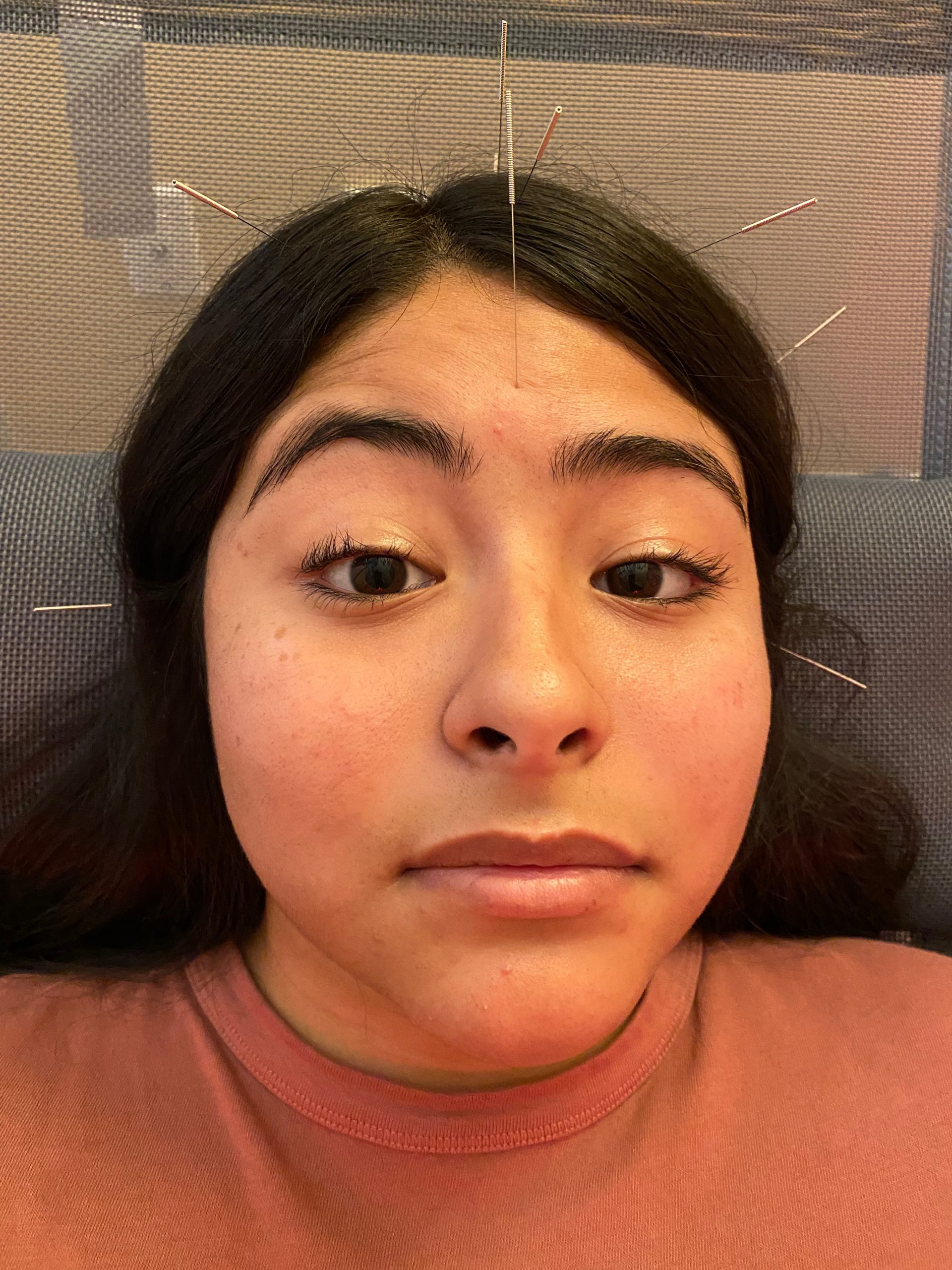
During Second Treatment Raised Eyebrows
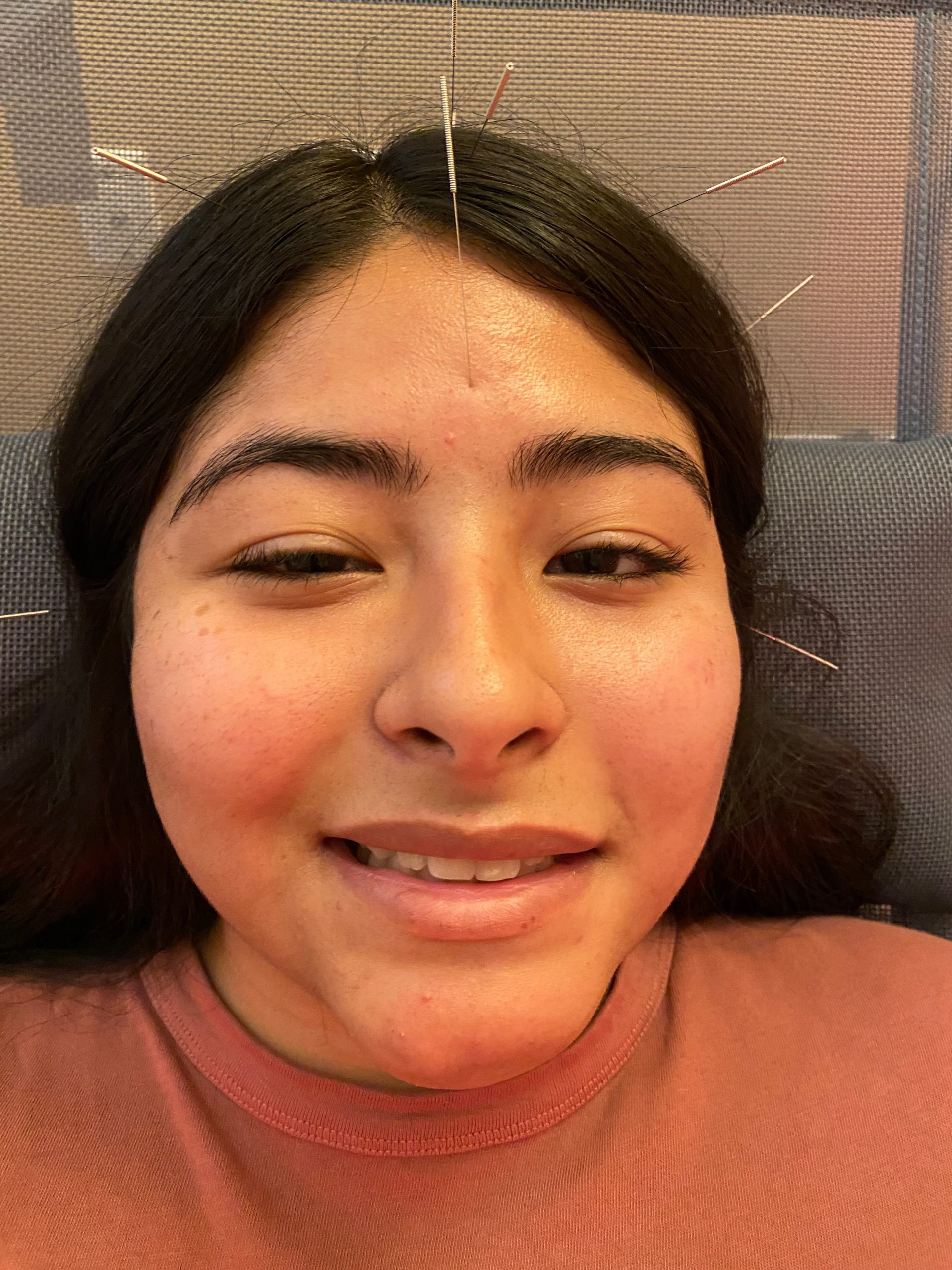
During Second Treatment Smile

During Second Treatment Still Face
Before Third Treatment
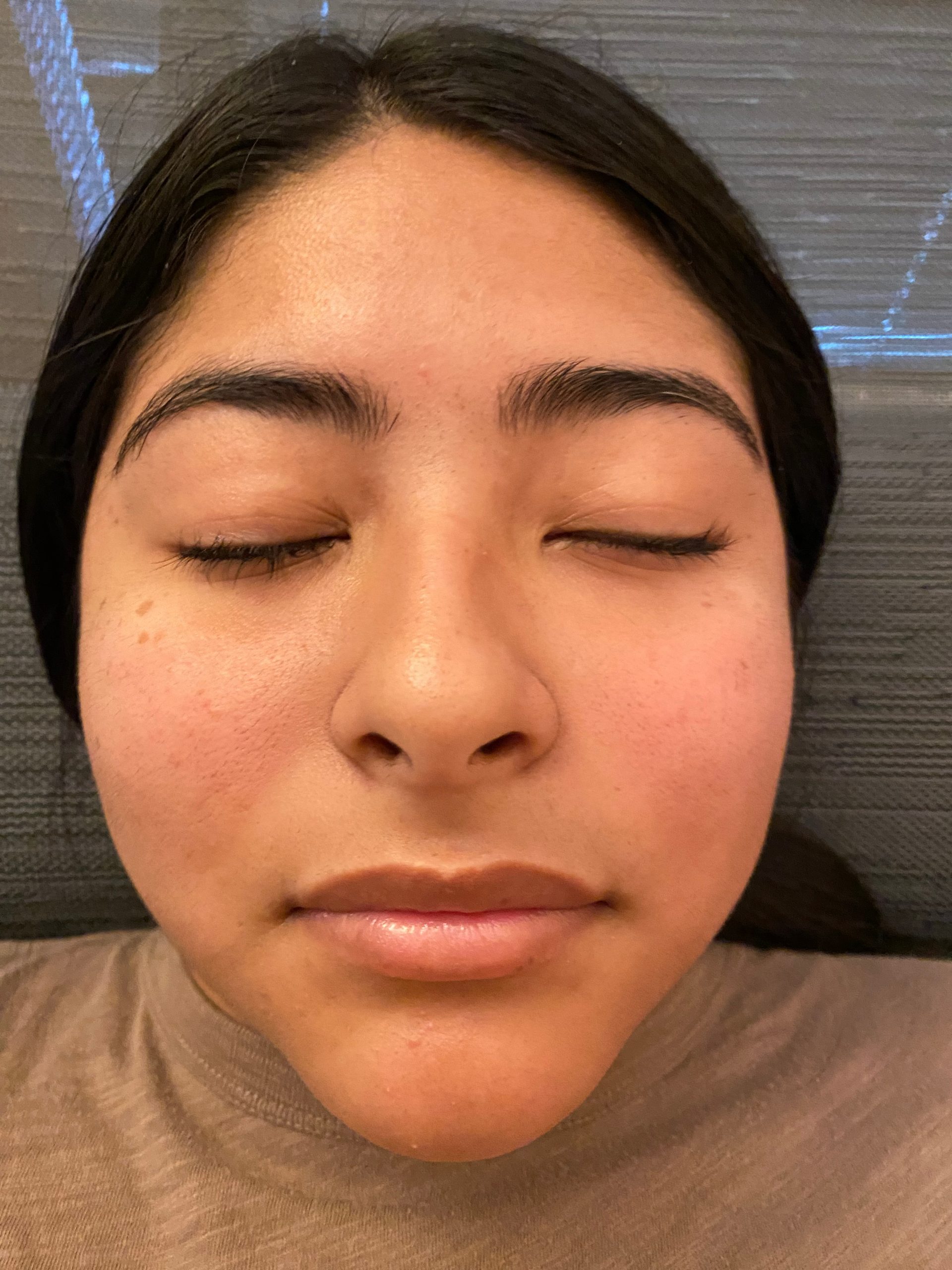
Before Third Treatment Eyes Closed

Before Third Treatment Raised Eyebrows

Before Third Treatment Smile

Before Third Treatment Still Face
Before Fourth Treatment
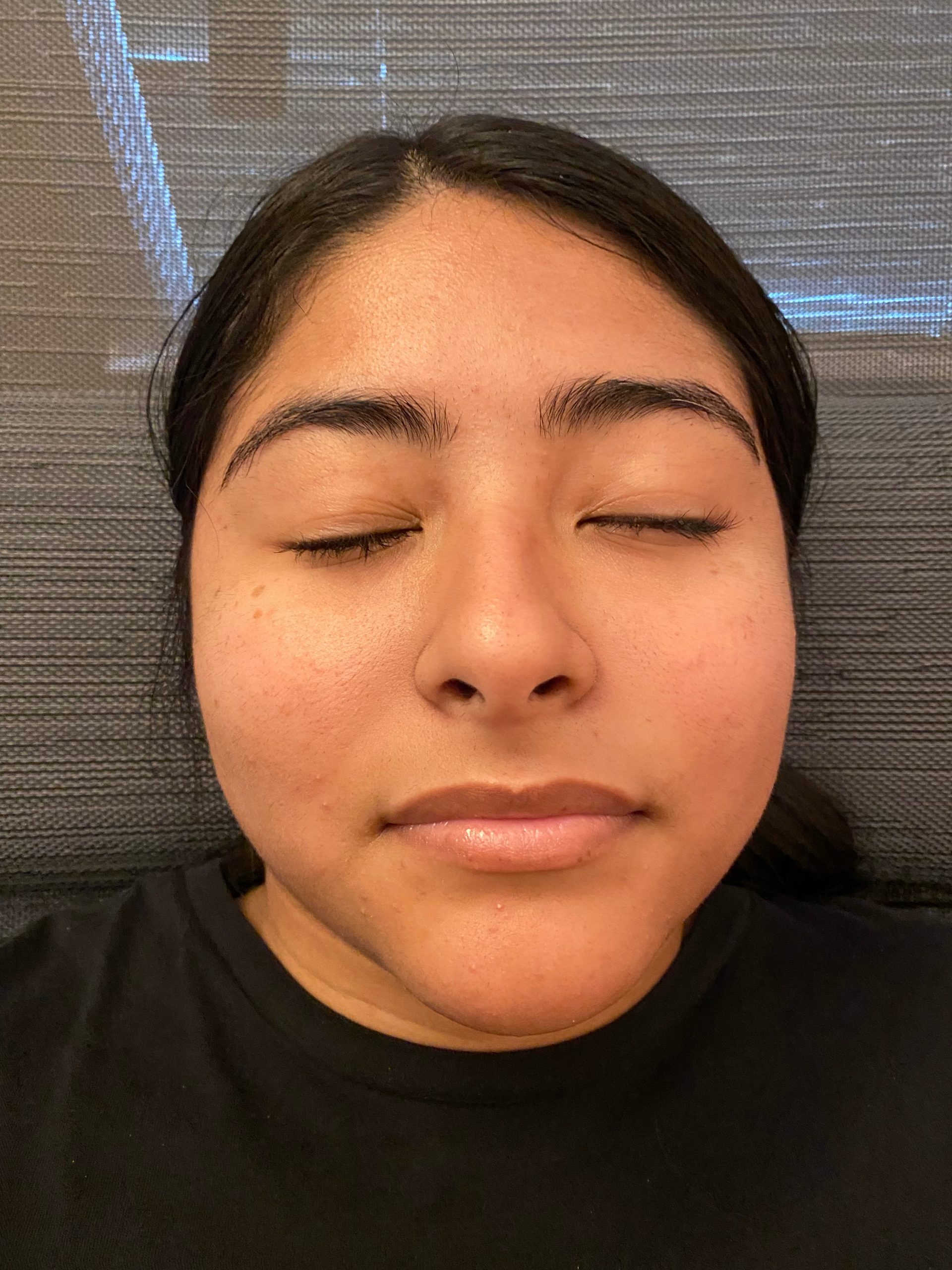
Before Fourth Treatment Eyes Closed

Before Fourth Treatment Raised Eyebrows

Before Fourth Treatment Smile

Before Fourth Treatment Still Face
Before Fifth Treatment

Before Fifth Treatment Raised Eyebrows

Before Fifth Treatment Smile

Before Fifth Treatment Still Face
Before Sixth Treatment

Before Sixth Treatment Eyes Closed

Before Sixth Treatment Raised Eyebrows

Before Sixth Treatment Smile

Before Sixth Treatment Still Face

Why Acupuncture is an Effective Choice for Bell’s Palsy
Because Bell’s Palsy directly involves the facial nerves, acupuncture is uniquely positioned to help. Unlike medications that temporarily reduce symptoms, acupuncture encourages the body to heal itself. Using precise, painless needles placed at strategic points, we can influence both local and systemic healing.
Yes, acupuncture can do much more than people think. It’s an effective healing modality for a number of conditions.
Dr. Sherrell says, “Acupuncture is more than relaxation. It can help fix complicated health issues by stimulating the body’s natural healing abilities.”
Acupuncture Supports Recovery Across the Board
Reduces Inflammation Around the Facial Nerve
Inflammation is one of the biggest culprits in Bell’s Palsy. By calming inflammatory responses, acupuncture reduces swelling around the nerve, allowing it to function more freely.
Improves Circulation and Oxygen Delivery
Facial nerves require healthy blood flow to heal. Acupuncture increases circulation to the face, ensuring the nerve and surrounding tissues get the oxygen and nutrients they need.
Stimulates Nerve Regeneration
Acupuncture is known to encourage nerve repair and improve communication between nerves and muscles. This is essential in helping the facial nerve “relearn” its job after paralysis.
Stress and lifestyle
Chronic stress and poor lifestyle habits may lower immune resilience and increase vulnerability.
Balances the Nervous System
Stress can aggravate Bell’s Palsy. Acupuncture calms the nervous system, lowering cortisol levels and putting your body into a state where healing is possible.
Restores Muscle Function and Reduces Pain
By encouraging natural nerve signals, acupuncture helps prevent long-term stiffness, twitching, or weakness in the affected muscles.
Our patients often report improvements in facial movement, reduced discomfort, and a faster return to normal function when they use acupuncture early in their recovery journey.


Chinese Medicine for Bell’s Palsy
In Chinese medicine, Bell’s Palsy is often described as a result of “wind invasion” and imbalance in the body’s energy, or Qi. While this may sound different from Western explanations, the principle is the same: external and internal factors disrupt the harmony of the nervous system.
Chinese medicine approaches Bell’s Palsy with a combination of acupuncture, herbal formulas, and lifestyle guidance. Herbal remedies may include plants known to improve circulation, calm inflammation, and strengthen the immune system. These remedies complement acupuncture by providing internal nourishment that supports nerve repair.
Additionally, Chinese medicine emphasizes dietary balance and stress reduction, which are critical to long-term healing. By supporting the whole person, not just the nerve, Chinese medicine helps restore resilience and reduce the chance of recurrence.
Functional Medicine for Nerve Health
At Augusta Acupuncture Clinic, we also integrate functional medicine to ensure your body has the building blocks it needs for recovery. Damaged nerves require far more than short-term medications or steroid injections; they need nutrients, lifestyle adjustments, and metabolic balance.
Functional medicine for Bell’s Palsy may include:
- Nutrient testing and supplementation: Ensuring you have adequate B vitamins, vitamin D, magnesium, and antioxidants, all of which are crucial for nerve health.
- Anti-inflammatory nutrition: Removing processed foods and focusing on whole, nutrient-rich meals that calm inflammation.
- Stress management: Teaching tools and practices to reduce stress, since high cortisol interferes with nerve repair.
- Gut health optimization: Because much of your immune system is housed in the gut, improving digestion and microbiome balance can reduce autoimmune-related nerve damage.
By combining functional medicine with acupuncture and Chinese medicine, we create a holistic plan designed not just to reduce symptoms, but to restore your body’s ability to heal.

Why Long-Term Healing Matters
You’ll come across many treatments for Bell’s Palsy that only focus on short-term symptom management, such as prescribing corticosteroids or antivirals. While these can be helpful in the early stages, they don’t always address deeper imbalances or prevent lingering effects. Without proper care, some patients are left with long-term muscle weakness, facial asymmetry, or discomfort.
At Augusta Acupuncture Clinic, our goal is long-term healing. We want to help you not only recover from Bell’s Palsy but also strengthen your body to resist future flare-ups. By addressing root causes, reducing inflammation, and nourishing your nervous system, we give you the best chance at complete recovery.
Choose Augusta Acupuncture Clinic for Acupuncture Therapy
Choosing where to seek care for Bell’s Palsy is a deeply personal decision. At Augusta Acupuncture Clinic, we pride ourselves on combining traditional wisdom with modern functional medicine to provide a comprehensive healing experience. Our team takes the time to listen to your story, evaluate your unique health needs, and create a treatment plan tailored to you.
Patients who come to us appreciate our compassionate care, holistic approach, and commitment to long-term wellness. We don’t simply mask symptoms—we dig deeper to restore balance and promote healing from within.
Call us today to schedule your consultation. Together, we will create a plan to reduce inflammation, support nerve health, and restore your confidence. Join Augusta Acupuncture Clinic and take the first step toward lasting healing.
Frequently Asked Questions
What causes Bell’s palsy and how can therapy help?
Bell’s palsy occurs when the facial nerve becomes inflamed, leading to sudden weakness or paralysis on one side of the face. Bell’s Palsy Therapy in Augusta at Augusta Acupuncture Clinic focuses on improving circulation, reducing nerve inflammation, and supporting natural nerve recovery.
How does acupuncture support Bell’s palsy recovery?
Acupuncture is commonly used as part of natural Bell’s palsy treatment in Augusta to stimulate nerve pathways and encourage muscle function. At Augusta Acupuncture Clinic, treatments are customized to help restore facial movement and reduce discomfort.
Is natural Bell’s palsy treatment effective for long-term symptoms?
Yes, many patients seek Bell’s Palsy Therapy in Augusta even after symptoms have lasted for several months. Natural therapies can help improve facial strength, coordination, and sensation over time when guided by experienced practitioners.
How soon after diagnosis should I start Bell’s palsy therapy?
Starting natural Bell’s palsy treatment in Augusta as early as possible may support faster improvement. However, patients at any stage of recovery can still benefit from care at Augusta Acupuncture Clinic.
What can I expect during Bell’s Palsy Therapy sessions?
During Bell’s Palsy Therapy in Augusta, sessions may include acupuncture, facial muscle stimulation, and wellness guidance. Augusta Acupuncture Clinic focuses on gentle, non-invasive techniques tailored to your condition.
How many sessions are typically needed?
The number of sessions varies depending on symptom severity and response to treatment. Your provider at Augusta Acupuncture Clinic will create a personalized plan for natural Bell’s palsy treatment in Augusta based on your progress.
Can Bell’s palsy therapy help reduce facial stiffness and tightness?
Yes, Bell’s Palsy Therapy in Augusta may help relax tight facial muscles, improve symmetry, and enhance overall comfort through consistent care at Augusta Acupuncture Clinic.
Is Bell’s palsy therapy safe for older adults?
Yes, natural Bell’s palsy treatment in Augusta is generally safe for adults of all ages when provided by qualified professionals. Augusta Acupuncture Clinic carefully adjusts care to meet individual health needs.
Can Bell’s palsy therapy help with facial numbness and tingling?
Yes, Bell’s Palsy Therapy in Augusta is often used to support nerve stimulation and circulation, which may help reduce facial numbness and tingling. At Augusta Acupuncture Clinic, treatments are designed to encourage healthy nerve signalling and sensation.
Does natural Bell’s palsy treatment help with eye and mouth control?
Natural Bell’s palsy treatment in Augusta can support improved muscle coordination around the eyes and mouth. Consistent care at Augusta Acupuncture Clinic may help patients regain better control over blinking, smiling, and speech-related movements.